
Clean Water, Lower Bills and Higher Home Value in Acreage and Royal Palm Beach 💧🏡

Florida water can look clear and still leave a lot to be desired. In homes across Acreage and Royal Palm Beach, families often notice hard water spots, chlorine taste, cloudy ice, dry skin after showers, or appliances that seem to wear out too quickly.
A whole water system helps solve those problems at the source. Instead of treating one faucet at a time, it filters and conditions water as it enters the home. That means cleaner water for drinking, cooking, bathing, laundry, dishwashing, and plumbing fixtures.
For many homeowners, this is more than a comfort upgrade. It can lower everyday costs, reduce plastic waste, protect plumbing, and make a property more attractive when it is time to sell. 🌴

A whole water system treats the water your entire home uses
A whole water system is installed near the point where water enters the home. From there, it can treat water before it reaches showers, faucets, toilets, washing machines, water heaters, and outdoor spigots, depending on the setup.
Common systems may include:
Sediment filtration to reduce sand, silt, and particles
Carbon filtration to improve taste and reduce chlorine odor
Water softening or conditioning to address hardness minerals
Specialty filtration for certain well-water issues
UV disinfection in some situations, especially with private wells
Homes in Acreage and Royal Palm Beach can have different water needs. Some properties in Acreage may rely on private wells, while many Royal Palm Beach homes connect to municipal water. Both sources can benefit from treatment, but the right system should match the actual water test results.
That is why the best first step is not guessing. It is testing. A professional water test can identify hardness, iron, sediment, chlorine, sulfur odor, pH concerns, and other factors that affect water quality.
Better water quality makes everyday life easier 💧
The most noticeable benefit is often taste. Water that smells like chlorine, tastes metallic, or leaves a mineral aftertaste can push families toward bottled water. Once the home’s water is filtered properly, drinking from the tap becomes more appealing.
Cleaner-tasting water can improve:
Coffee and tea flavor
Ice cubes
Soups, pasta, and rice
Baby bottles and formula preparation
Pet water bowls
Reusable water bottle refills
Bathing can feel better too. Hard water can leave minerals on skin and hair. Some people notice soap does not lather well, shampoo feels harder to rinse out, and towels feel stiff after washing. A system that addresses hardness may help water feel smoother and make cleaning products work more effectively.
In the kitchen and bathrooms, better water can mean fewer spots on glassware, shower doors, faucets, and countertops. That does not eliminate cleaning, but it can make it less frustrating.
For families, the biggest win is simple: the water feels more usable in every room of the house.
Lower spending on bottled water adds up
Bottled water feels convenient until it becomes a monthly habit. Cases of water take up storage space, cost money week after week, and create a steady stream of plastic waste.
A whole water system can reduce the need for bottled water by making tap water taste better. Families may still keep bottles for emergencies, travel, or hurricane season, but everyday drinking water can come straight from the sink or refrigerator dispenser.
The savings depend on household size and bottled water habits. A family that buys several cases a week will usually notice the difference faster than a household that buys only a few bottles each month.
Beyond bottled water, there are smaller savings that can appear over time:
Less money spent on pitcher filters
Fewer refrigerator filter replacements, in some cases
Less need for descaling products
Fewer cleaning products used to fight mineral buildup
Longer life from reusable bottles and drinkware
This is one reason a whole water system should be viewed as a home investment, not just a purchase. It can reduce repeat spending while improving daily comfort.
Protecting plumbing and appliances can prevent expensive headaches 🔧
Water quality affects more than drinking glasses. It also affects the hidden parts of the home.
Hard water minerals can build up inside pipes, water heaters, dishwashers, washing machines, and fixtures. Over time, scale can reduce efficiency and contribute to wear. Sediment can collect in appliances and plumbing components. Iron can stain surfaces. Chlorine can affect some rubber seals and fixtures.
A well-matched whole water system can help protect:
Water heaters
Dishwashers
Washing machines
Faucets and showerheads
Toilet fill valves
Ice makers
Refrigerator water lines
Plumbing fixtures
No system can guarantee that plumbing repairs disappear. Pipes, valves, and appliances still age. Yet cleaner and better-conditioned water can reduce stress on many parts that touch water every day.
For homeowners in Acreage, this can be especially useful when well water carries sediment, iron, or mineral content. For homeowners in Royal Palm Beach, it can help reduce chlorine taste and hardness-related issues often associated with treated municipal water.
Water touches more parts of a home than most people realize. Improving it at the entry point can support comfort, cleanliness, and long-term maintenance.
Less plastic waste is better for the home and the environment 🌎
South Florida residents understand the value of protecting natural resources. From canals and wetlands to beaches and wildlife habitat, plastic waste is not just an abstract issue. It is visible.
Reducing bottled water use is one of the most practical environmental benefits of installing a whole water system. Every refill from the tap can mean one less disposable bottle purchased, transported, chilled, used, and thrown away.
The environmental benefits include:
Less single-use plastic in household trash
Fewer plastic bottles entering recycling streams
Lower demand for bottled water packaging
Reduced storage and transport impact from cases of water
More use of durable bottles and pitchers
Recycling helps, but reducing waste at the source is better. A family that switches from cases of bottled water to filtered tap water can create a meaningful change without changing much about daily routines.
That matters in Florida, where heat and outdoor activity make regular hydration part of everyday life. If tap water tastes good, people are more likely to drink it.
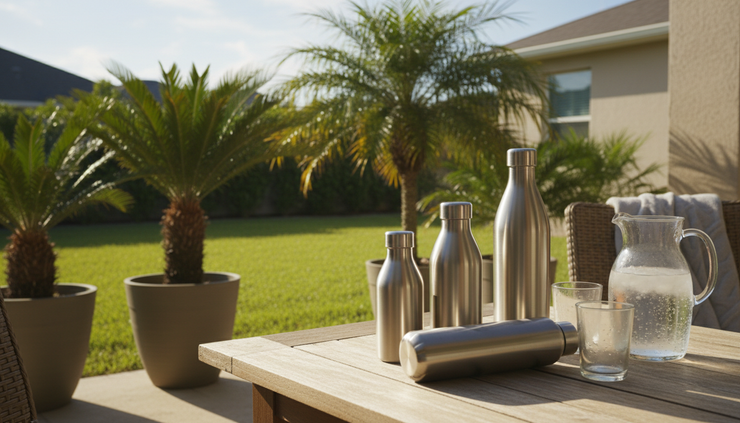
A better water system can raise buyer appeal 🏡
Homebuyers pay attention to upgrades that improve comfort and reduce future hassle. A whole water system can be one of those features, especially when it is professionally installed, well maintained, and easy to explain.
In Acreage, buyers may ask direct questions about well water quality, filtration, and maintenance. A documented water treatment system can help answer those questions with confidence.
In Royal Palm Beach, buyers may value improvements that make municipal water taste better and help protect appliances and fixtures. Clean showers, spot-free glassware, and better-tasting water are easy to understand during a showing.
A whole water system can support property appeal because it is:
Practical
Visible when touring utility areas
Easy to describe in listing notes
Useful for families, retirees, and seasonal residents
Connected to comfort and maintenance savings
To strengthen resale value, keep records. Save installation paperwork, system specifications, water test results, filter replacement dates, and service receipts. Buyers and inspectors appreciate documentation.
A neglected system can do the opposite. If filters are overdue or equipment looks poorly maintained, it may raise concerns. The value comes from a system that is properly selected, installed, and cared for.
Local rules matter before installation
Water treatment equipment connects to plumbing, so local requirements matter. Rules can vary based on the property, water source, equipment type, and where the system will be installed.
Before installing a system in Acreage or Royal Palm Beach, homeowners should ask about:
Plumbing permit requirements
Backflow prevention needs
Electrical requirements for powered equipment
Drain line rules for softeners or filters that discharge water
Private well testing recommendations
HOA or community guidelines
Equipment placement limits inside garages, utility rooms, or exterior areas
Homes with private wells may have different concerns than homes served by a public water utility. Well owners should test water for common quality concerns and follow local health guidance when needed. Municipal water customers should review utility water quality reports and confirm what treatment is already being provided.
A licensed plumber or qualified water treatment professional can help choose equipment that fits local plumbing codes and manufacturer requirements. This is not the place to rely on guesswork or a one-size-fits-all system from a shelf.
Incentives and savings opportunities may be available
Some homeowners may find rebates, financing options, or manufacturer promotions for water treatment systems or water-saving equipment. These opportunities change over time, so it is best to verify them before buying.
Places to check include:
The local water utility
Palm Beach County conservation or environmental programs
The Village of Royal Palm Beach website
Florida state energy or water-efficiency resources
Manufacturer rebate pages
Local licensed installers
HOA newsletters or community updates
Not every whole water system qualifies for an incentive. Some programs focus on water conservation, energy efficiency, irrigation changes, or specific fixtures. Still, it is worth asking. A small rebate or financing offer can make the upgrade easier to plan.
Also compare the full cost of ownership, not only the installation price. Ask about filter replacement schedules, salt use if the system includes a softener, service visits, warranty terms, and expected maintenance.
The best deal is the system that solves the actual water problem and stays affordable to maintain.
How to choose the right whole water system for your home
A good system starts with the water, not the equipment. Acreage and Royal Palm Beach homes can have different conditions even within the same neighborhood.
Use this simple process:
Test the water
Identify hardness, chlorine, iron, sediment, sulfur odor, pH, and other concerns before choosing equipment.
Match the system to the source
Well water and municipal water often need different treatment plans.
Think about whole-home use
Drinking water matters, but so do showers, laundry, appliances, and plumbing.
Ask about maintenance
Filters, media, salt, UV lamps, and service intervals should be clear before installation.
Confirm local requirements
Permits, drains, backflow prevention, and HOA rules should be handled before work begins.
Use a qualified installer
Proper sizing and installation affect performance, safety, and warranty coverage.
A small under-sink filter may help one faucet. A whole water system supports the entire home. That difference matters when the goal is cleaner water, lower waste, and better long-term protection.

The investment makes sense for comfort, cost, and resale
A whole water system is one of those upgrades that affects daily life in quiet but constant ways. A better shower. Better coffee. Less bottled water. Fewer hard water stains. More confidence in what is flowing through the home.
For families in Acreage and Royal Palm Beach, the benefits can reach well beyond taste. The right system can help protect plumbing and appliances, reduce plastic waste, and add a practical selling point when the home goes on the market.
The smart move is to start with a water test, review local requirements, and compare systems based on the home’s actual needs. Clean water is not just a luxury. In South Florida, it is a practical upgrade that can make a home healthier to live in, easier to maintain, and more appealing for the future. 💧🏡


Comments