
10 Ways Hard Water Is Draining Your Wallet and How to Stop It 💧💸
- Stella Bowles

- Jul 21
- 8 min read
That chalky ring around the faucet isn’t just annoying. It’s a tiny receipt from your water, and the charges can add up all over the house. 🚿
When minerals like calcium and magnesium build up in water, they stick to surfaces, clog small openings, coat heating elements, and make soaps work harder. Over time, that can mean higher energy bills, more repairs, shorter appliance life, and more cleaning products under the sink.
Let’s walk through the 10 sneaky ways Hard water can cost money, plus the signs to watch for and the fixes that can help you keep more cash in your pocket. 💰

1. Your water heater works harder than it should 🔥
Your water heater already has a big job. Mineral buildup makes it tougher.
As minerals collect inside the tank or on heating elements, they create a layer of scale. That layer acts like insulation in the wrong place. The heater has to use more energy to warm the same amount of water.
You might notice:
Hot water runs out faster than it used to
The heater makes popping or rumbling sounds
Energy bills creep up without a clear reason
Showers feel less consistently warm
A tankless water heater can also suffer. Scale can choke internal passages and reduce efficiency. In areas with mineral-heavy water, regular flushing matters more than many homeowners realize.
Money-saving tip 💡
Check your water heater manual for maintenance guidance. If you hear rumbling, see flakes in hot water, or notice slower heating, schedule service before the unit struggles itself into a bigger repair.
2. Dishwashers leave spots and need extra cycles 🍽️
A dishwasher should save time, water, and effort. Mineral-heavy water can turn it into a repeat-cycle machine.
White spots on glasses, cloudy film on dishes, and stubborn residue often come from mineral deposits. Many people respond by running another cycle, using more detergent, adding rinse aid, or washing dishes by hand afterward.
That means more:
Water use
Electricity
Detergent
Time spent re-cleaning
The dishwasher itself also takes a hit. Spray arms can clog. Heating elements can scale over. Interior parts can collect crusty deposits.
Money-saving tip 💡
Clean the dishwasher filter often, use a rinse aid if your machine allows it, and inspect spray arm holes for mineral buildup. If cloudy dishes remain a constant problem, test your water rather than blaming the dishwasher right away.
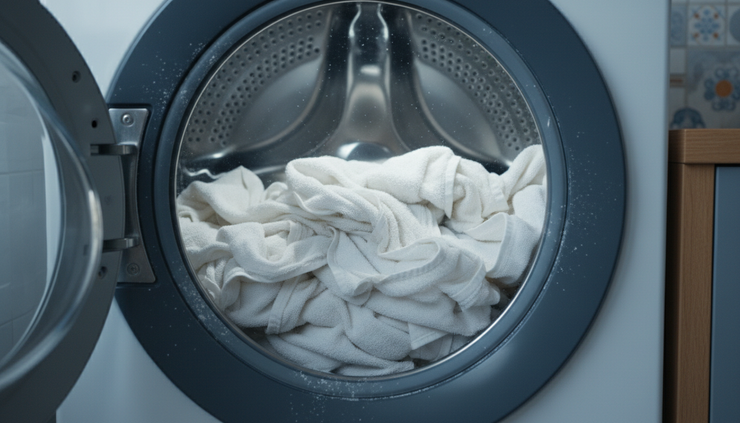
3. Washing machines need more detergent and wear out clothes 👕
Hard minerals don’t play nicely with laundry soap. They make detergent less effective, so clothes may come out stiff, dull, or still a little musty. That leads to a familiar cycle: add more detergent, rewash loads, use more fabric softener, and hope for the best.
The extra cost doesn’t stop with the products. Minerals can also build up inside the washing machine, especially around valves, hoses, and drum parts. Clothes may wear faster too, because mineral residue can make fabric feel rough.
Signs show up as:
Scratchy towels
Faded dark clothes
White streaks on fabric
Detergent that doesn’t rinse clean
A washer that smells even after cleaning
Money-saving tip 💡
Try using the detergent amount recommended for your machine, not the “extra dirty” guess. If clothes still feel stiff, the water may be the problem. A water softener can help soap rinse better and may reduce the need for extra laundry products.
4. Faucets and showerheads lose flow 🚿
Mineral deposits love tiny openings. Faucet aerators and showerhead nozzles give them the perfect place to settle.
At first, you might see water spraying sideways or feel weaker pressure in the shower. Then the flow drops enough that showers take longer, rinsing shampoo takes more time, and cleaning the sink becomes more of a chore.
This can trick people into thinking they have a major pressure problem. Sometimes, the fix starts with the small parts.
Money-saving tip 💡
Unscrew faucet aerators and check for gritty white or tan particles. Soak removable fixtures in white vinegar, then scrub gently with an old toothbrush. If buildup returns quickly, the issue likely comes from the water itself, not just the fixture.
5. Pipes and fixtures can clog slowly over time 🔧
Scale buildup doesn’t always cause a dramatic clog. It often works slowly. Minerals collect inside pipes, valves, and fittings, narrowing the space where water flows.
That can stress your plumbing system in a few ways:
Lower water flow
More strain on valves
Shorter fixture life
More frequent service calls
Higher risk of hidden buildup in older lines
This matters even more in homes with aging pipes. A small layer of scale might not sound like much, but years of mineral deposits can make water flow less freely.
Money-saving tip 💡
If several fixtures lose flow at the same time, don’t replace one faucet and call it done. Look for a whole-house pattern. A water test can help confirm whether minerals contribute to the problem.
6. Soap, shampoo, and cleaners disappear faster 🧼
If soap doesn’t lather well, people usually use more. That’s exactly how mineral-heavy water quietly raises the grocery bill.
Calcium and magnesium react with soap and make it harder to create suds. The result can feel like you’re never quite clean, even when you use plenty of product.
You may spend more on:
Body wash
Shampoo
Conditioner
Dish soap
Laundry detergent
Bathroom cleaners
Glass cleaners
Hard minerals also leave soap scum on tubs, sinks, and shower doors. Then you buy stronger cleaners to fight the film.
Money-saving tip 💡
Notice how your soap behaves. If shampoo refuses to lather or hand soap feels like it vanishes instantly, your water may be working against you. Softened water often lets you use less product because soap can do its job.

7. Coffee makers and kettles don’t last as long ☕
Small appliances deal with the same mineral problem as large ones. Coffee makers, tea kettles, steam irons, humidifiers, and ice makers can all collect scale.
You might see white flakes in the kettle or notice your coffee maker brewing slower than before. The machine may run louder, heat unevenly, or need frequent descaling.
Replacing a coffee maker once may not feel like a huge deal. Replacing multiple small appliances over the years adds up, especially when the root cause stays the same.
Money-saving tip 💡
Descale small appliances on a schedule, especially if you see white flakes or a chalky coating. Use the manufacturer’s recommended descaling method. If you descale constantly, test the water. The appliance isn’t the only issue.
8. Toilets and sinks need more scrubbing 🧽
Mineral stains can make a clean bathroom look neglected. Rings in toilets, crust around drains, and chalky sink stains often come back no matter how often you scrub.
That costs money in two ways. You buy more cleaners, and you spend more time cleaning the same surfaces again and again.
Common signs include:
Rust-colored or white toilet rings
Crust around faucet bases
Cloudy sink basins
Scale around tub drains
Shower tiles that never look fully clean
Some stains can also tempt people to use harsh cleaners too often. That can damage finishes on faucets, stone, grout, and other surfaces.
Money-saving tip 💡
Use gentle cleaning methods first, and don’t attack every surface with abrasive products. Vinegar can help with many mineral deposits, but avoid it on natural stone. For stubborn recurring buildup, solve the water problem rather than scrubbing forever.
9. Energy bills can creep up quietly ⚡
The energy cost of mineral buildup can feel invisible. No single bill screams, “Your water did this.” Instead, several systems lose efficiency little by little.
The biggest culprit usually sits in the water heater, but other appliances can also run longer or heat less efficiently when scale builds up. The dishwasher may need hotter cycles. The washing machine may need extra rinses. The coffee maker may take longer to heat.
Those small changes can stack together.
A good rule of thumb: if an appliance heats water and mineral scale coats its parts, it usually has to work harder.
Money-saving tip 💡
Compare your energy use over time, not just month to month. Weather, guests, and rate changes can affect bills. But if usage climbs while habits stay similar, mineral buildup deserves a spot on the suspect list.
10. You may replace fixtures before you really need to 🛠️
Mineral buildup can make fixtures look old before their time. A crusty showerhead, stiff faucet handle, slow valve, or stained sink may push people toward replacement.
Sometimes replacement makes sense. But if the new fixture faces the same water, the same problem returns.
That means the real cost isn’t just one faucet. It’s the repeat purchases, repair calls, and frustration.
Money-saving tip 💡
Before replacing a fixture, remove and inspect it if possible. If scale covers the threads, screens, or openings, clean it and see if performance improves. If several fixtures age too quickly, consider a whole-house solution.

How to spot trouble before it gets expensive 🕵️♀️
You don’t need a lab coat to notice the clues. Mineral-heavy water leaves a trail.
Watch for these signs around the house:
White crust on faucets or showerheads
Cloudy glassware after the dishwasher runs
Soap that doesn’t lather well
Dry-feeling skin or hair after showers
Stiff towels after washing
Low flow from multiple fixtures
Water heater rumbling or popping
Toilet rings that return quickly
Flakes in kettles or coffee makers
Higher bills without a clear habit change
A simple home test strip can give you a quick reading. Many hardware stores carry them. For a more complete picture, a water treatment professional can test hardness and look for other water quality issues too.
What actually helps fix the problem ✅
No single fix fits every home, but a few options handle the most common causes.
Clean small buildup right away
For faucets, showerheads, and appliance parts, regular cleaning helps. Vinegar can dissolve many mineral deposits, but check surface care instructions first. Some finishes and stones need special treatment.
Flush and maintain water-heating equipment
Water heaters need maintenance, especially in mineral-heavy areas. Flushing can remove sediment from tank units. Tankless systems often need descaling. Follow the manual or hire a qualified technician if you’re unsure.
Use the right detergents and cleaners
Some detergents work better in mineral-heavy water. Rinse aids can help dishwashers. Appliance descalers can support coffee makers and kettles. These steps can reduce symptoms, but they won’t remove minerals from the whole home.
Consider a water softener
A water softener tackles the issue at the source by reducing hardness minerals before water moves through the home. That can help protect water heaters, dishwashers, laundry machines, fixtures, and pipes.
Salt-based systems remain common, but not every home has the same needs. Some areas have local rules or preferences around discharge, salt use, or system placement. Homes in warm, coastal regions, including parts of South Florida, may also deal with a mix of mineral concerns and high daily water use.
Before buying a system, ask:
How hard is the water?
How much water does the household use?
Where can the system fit?
What maintenance does it need?
Will it treat the whole home or just one area?
Does the home have any special water quality concerns?
The long-term savings can be bigger than the obvious ones 💵
The easiest costs to see are the bottles of cleaner, extra detergent, and replacement showerheads. The bigger savings often come from the things you don’t have to do as often.
Addressing mineral buildup may help you:
Reduce repeat appliance repairs
Extend the life of water-using appliances
Use less soap and detergent
Keep fixtures working longer
Protect water heater efficiency
Spend less time fighting stains
Avoid replacing items too early
A water softener or treatment system has an upfront cost, so it makes sense to compare that cost with the pattern of repairs, cleaning products, appliance issues, and energy waste in the home. If the same mineral problems keep showing up, treating the water can pay off in comfort and fewer headaches, not just dollars.
A simple plan to stop the wallet drain 🧾
Start small, then work up.
Walk through the house and look for scale, stains, and flow issues.
Check glassware, laundry, showerheads, and the water heater.
Test the water with a home kit or professional test.
Clean fixtures and maintain appliances.
Track whether buildup returns quickly.
Compare the cost of ongoing fixes with a whole-house treatment option.
Hard water problems rarely fix themselves. The good news is that they usually leave plenty of clues before they cause major expense. Catch the pattern early, choose the right solution, and your appliances, fixtures, energy bills, and cleaning routine can all breathe a little easier. 💧💸
Serving Palm Beach • Broward • Fort Myers • Naples
Contact us at info@repairedassuredllc.com or call us at 754-333-0826


Comments